en
en  de
de  ar
ar  es
es  nl
nl  hi
hi  fr
fr  it
it  pt
pt  el
el The dynamic and compact form of classic indoor soccer. The main features of futsal include its high speed, density of actions in limited space, and emphasis on technique and quick decision-making. Unlike street mini-formats, the discipline is regulated by strict FIFA and AMF rules, has its infrastructure, transfer system, and national championships in more than 100 countries. Over the past decade, it has evolved beyond indoor training and has become a separate sport with a large-scale professional system.
Format and Structure: Features of Futsal
Futsal involves two teams of 5 players each, including a goalkeeper. The standard playing field is 40×20 meters, with a parquet or synthetic surface. A smaller diameter ball (No. 4) with reduced bounce helps focus on control, passing, and technical precision. The match duration is 2 halves of 20 minutes of net time. Each half allows for one timeout. In case of a tie in the playoffs, a penalty shootout is added following a best-of-5 system.

The key features of futsal are increased contact density, the need for instant role switching, and strict foul restrictions. A team is awarded a direct free kick after the sixth team foul in each half. This shapes a unique game ethic and discipline.
Tactics and Rotation: Mathematics of Movement
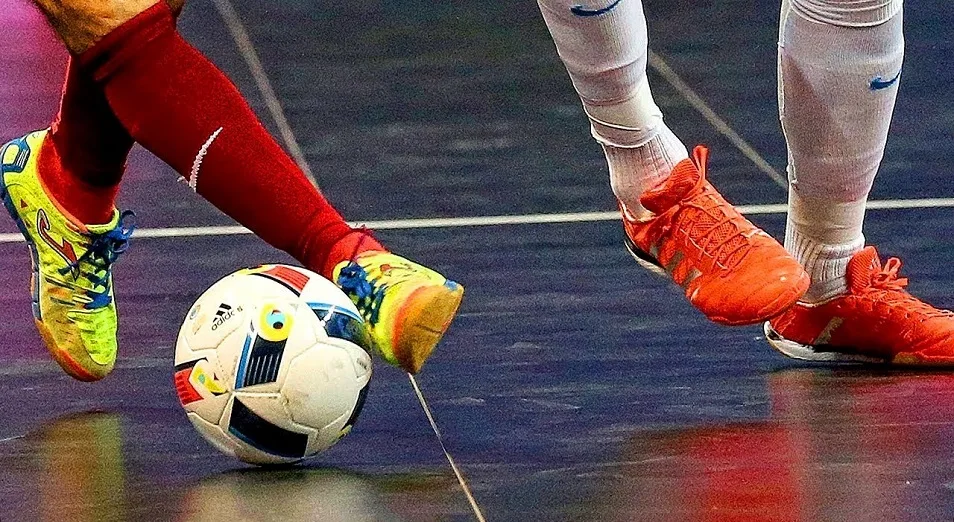 The absence of fixed positions makes every attack of a futsal team a collective effort of all four field players. The main play schemes include: diamond (1-2-1), square (2-2), Christmas tree (3-1), and Portuguese teams increasingly practice a pentagon with an active goalkeeper. Substitutions are unlimited, creating short but super-intensive game segments lasting 3–4 minutes.
At the international level, clubs use rotations consisting of three complete quartets with pre-established connections. This can be seen, for example, in matches of Sporting CP and Benfica, where lineup changes happen synchronously on the fly. The features of futsal are revealed through the key role of the goalkeeper, who not only defends the goal but actively participates in plays, creates numerical advantages, and acts as a libero in plays through the center.
Professional Leagues and Futsal Geography
At the global level, there are two main organizations: FIFA and AMF (Association of Mini Football), each conducting its own World Championships. However, practically all leading leagues orient themselves towards FIFA. The largest national championships operate in Brazil (LNF), Spain (LNFS), Italy (Serie A), Portugal (Liga Placard), Russia (Super League), Kazakhstan, and Iran.
The features of futsal are reflected in the emphasis on control, possession depth, and tactical restructuring. Clubs most often win the UEFA Futsal Champions League. In 2023, Sporting CP won the final using an unconventional scheme with two false forwards and active pressing in the opponent’s half.
Features of Futsal: Micro Details of a Macro Format
The form of futsal players is fundamentally different from that of football. Key equipment parameters:
- Footwear — flat sole with rubber covering, no studs. Weight — from 280 to 350 grams.
- Ball — standard size No. 4, weight — 400–440 grams, bounce — not exceeding 65 cm from a height of 2 m.
- Uniform — tight-fitting, made of synthetic fabrics for moisture wicking.
The features of futsal directly depend on the quality of the playing surface. Parquet or poured floors enhance grip and speed of movement. Professional halls also use cushioning underlays up to 10 mm thick, reducing joint and spine stress during sharp movements.
Connection with Mainstream Football
Futsal practice is actively used by football academies. For example, Benfica academy graduates, including João Félix and Renato Sanches, underwent basic futsal training from ages 8 to 12. The features of futsal allow for training technical dribbling, short-distance passing, strategic thinking in tight defense situations, and reaction development. The football federations of Portugal, Brazil, and Spain include the format in the mandatory program for younger age groups.
Futsal and Business: Revenues, Transfers, Rights
At the club level, sports rights, sponsorship, and transfers have become an integral part of the futsal economy. For example, in the 2023/24 season, Movistar Inter signed an exclusive agreement for €1.4 million with the Joma brand. Clubs generate revenue from:
- Broadcasting (direct distribution through YouTube, Twitch, paid subscriptions).
- Sponsorship packages (from €80,000 annually for mid-tier clubs to €2 million for top clubs).
- Ticket sales (average of €7–12 per game).
- Transfers (starter player value from €50,000, up to €400,000 for key players).
Portuguese teams are among the leaders in terms of self-sustainability: Braga, Leões Porto Salvo, and Eléctrico FC actively develop youth academies, rent arenas for 3–4 thousand spectators, and earn from matchdays.
Development of Digital Platforms and Gamification Trend
The features of futsal in the digital environment are enhanced through integration with platforms like FutsalPlanet, LNFS Stats, StatsBomb FutSal, which collect telemetry, visualize pass trajectories, and create rankings. This allows for analyzing player effectiveness in terms of expected passes, breaking lines, and pressing zones.
Innovations include:

- Analysis platforms (AI match analysis services).
- Fan gamification (selecting the match MVP through a mobile app).
- NFT tickets with in-game achievements.
The 2024/25 season starts with the introduction of a digital panel with touch zones on the field, recording ball contact points.
Conclusion
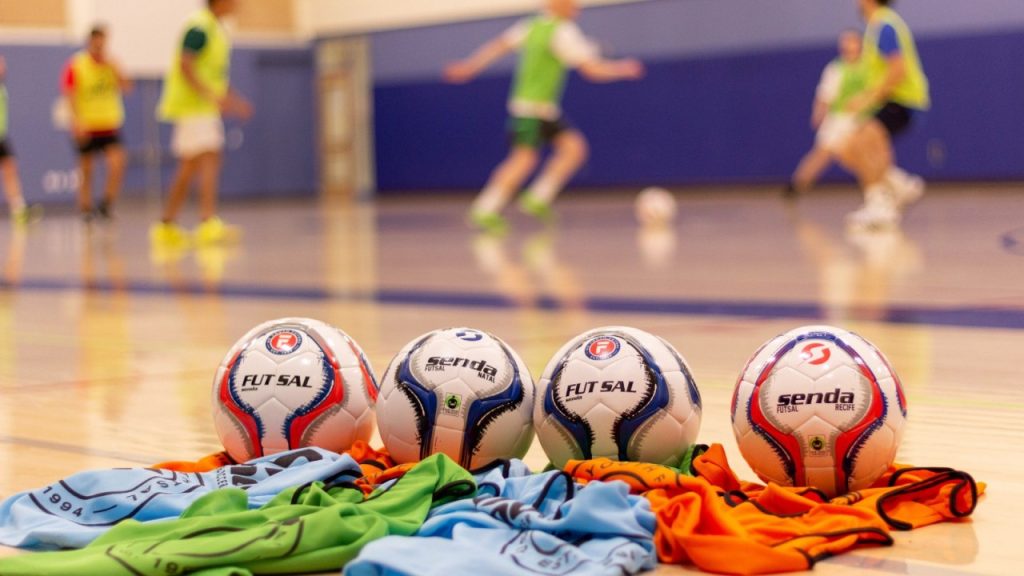 Today, this new discipline is shaping a distinct school of thought, strategies, and skills. The features of futsal open up prospects for athletes, coaches, investors, and digital developers. Every movement on the court becomes a manifestation of a new game philosophy — where speed combines with precision, and tactics overcome strength. Futsal is growing, synthesizing technology and sport, evolving into a significant phenomenon — vibrant, multi-layered, and fast-paced.